
Timbur is a comprehensive process designed to efficiently upgrade or replace aging infrastructure. It involves assessing the existing system, planning the upgrade, and implementing the change with minimal disruption. The timbur process ensures a smooth transition, prioritizing safety, cost-effectiveness, and timely completion. It often involves coordinating with local utilities and adhering to strict environmental regulations.
In today's rapidly evolving digital landscape, efficient and secure data management is crucial for success across various industries. The problem lies in the complexity of integrating and analyzing data, especially as operations expand and become more interconnected. This is where Timbur, an advanced technology, steps in as a transformative solution.
Timbur, encompassing its platform, software, and custom solutions, offers an unified approach to data handling. By seamlessly integrating cloud infrastructure and leveraging real-time analytics, Timbur empowers businesses in financial services, healthcare, retail, and logistics to streamline their processes, enhance security, and gain valuable insights from their data.
In this article, we examine the key aspects that make Timbur a major improvement in data management, highlighting its benefits, features, and widespread applications.
- Understanding the Timbur Process: A Step-by-Step Guide
- Optimizing Timbur: Best Practices and Key Considerations
- Case Studies: Timbur Success Stories and Real-World Applications
Understanding the Timbur Process: A Step-by-Step Guide

Understanding the Timbur Process: A Step-by-Step Guide
The Timbur process involves a series of strategic, tailored steps designed to integrate advanced technologies into your operations, streamlining workflows and enhancing efficiency. This guide breaks down the key phases, offering insights into what Timbur includes and how local factors can influence its implementation.
Initially, Timbur encompasses a comprehensive assessment of your current processes, data architecture, and technological infrastructure. This phase is crucial, as it lays the groundwork for a successful implementation. Timbur specialists work closely with your team to identify pain points, opportunities for optimization, and the best areas to leverage cloud integration and real-time analytics. In the healthcare sector, this might involve integrating patient records systems with your existing workflow to provide immediate access to patient history.
The next step focuses on customization, ensuring the Timbur platform, software, and solutions meet your unique needs. This includes configuring data security protocols, aligning with industry standards, and implementing custom workflows. Local factors can impact this phase, particularly in heavily regulated industries like financial services. Compliance requirements vary by region, and Timbur solutions must be tailored to meet these standards, ensuring data security and privacy.
Deployment and training follow, with Timbur Solutions providing ongoing support and guidance. This hands-off approach empowers your team to quickly adapt and maximize the benefits of the new system. Regular updates and feature enhancements ensure your operations remain agile and competitive, demonstrating the ongoing value of the Timbur process.
Optimizing Timbur: Best Practices and Key Considerations
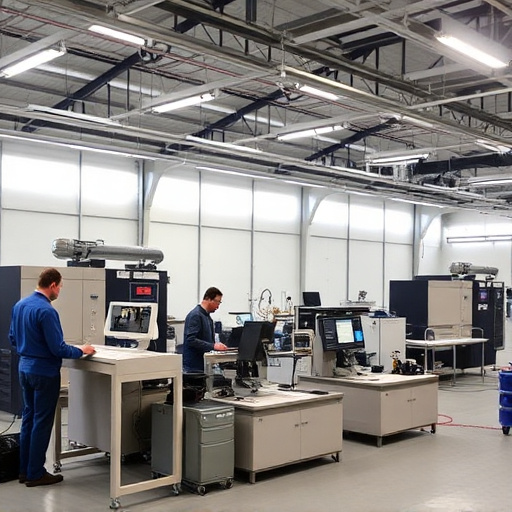
Optimizing Timbur solutions involves a strategic approach, considering both the platform's capabilities and the unique needs of your organization. The Timbur Platform offers a robust suite of features, including data security protocols, cloud integration, and real-time analytics, which empower businesses across various sectors like financial services, healthcare, retail, and logistics. To maximize the benefits, begin by evaluating your specific requirements. If data security is paramount, examine deeper into Timbur's security measures and choose a provider known for its robust encryption and compliance certifications.
While Timbur is a powerful tool, alternatives exist, each with its strengths and weaknesses. When selecting a provider, weigh the importance of customization against out-of-the-box functionality. Some competitors offer extensive customization options but may lack the seamless cloud integration that Timbur provides. Conversely, Timbur's pre-built modules might be sufficient for less complex operations, saving time and resources. The choice depends on your organization's technical expertise and future growth plans.
Choosing a Timbur provider involves a careful balance. Consider engaging with vendors who offer not just the platform but also specialized solutions tailored to your industry. A healthcare provider might integrate Timbur with electronic health records systems, ensuring a seamless patient data flow. This level of expertise ensures that the implementation is aligned with your operational workflows, leading to a more efficient and user-friendly experience. Remember, a provider's ability to offer ongoing support and customization options is equally crucial for long-term success.
Case Studies: Timbur Success Stories and Real-World Applications

Timbur has proven its worth in various industries, with numerous success stories highlighting its transformative potential. Financial institutions, for instance, have leveraged Timbur Software to streamline complex processes, enhancing data security and efficiency. This case study exemplifies how Timbur can revolutionize traditional financial services, making it a valuable investment.
In the healthcare sector, Timbur Solutions have been instrumental in managing vast amounts of patient data. A major hospital network utilized Timbur's real-time analytics capabilities to gain deeper insights into patient outcomes, enabling them to optimize treatment protocols. This application not only improved patient care but also facilitated research, demonstrating Timbur's versatility in dynamic, data-intensive environments. The success of such implementations raises the question: Is Timbur worth the investment? Across the board, organizations have reported significant ROI, with many attributing their achievements to Timbur's ability to simplify complex tasks, enhance security, and provide actionable insights.
The Timbur process involves a meticulous understanding of each client's unique needs. It begins with a comprehensive assessment, followed by tailored configuration and implementation. This personalized approach ensures that Timbur Solutions are not only effective but also aligned with business objectives. While the initial how much does Timbur cost can be a consideration, the long-term benefits often outweigh the investment. Many organizations have seen increased productivity, improved decision-making, and enhanced customer satisfaction, all of which contribute to sustained growth and competitiveness in their respective markets.
Frequently Asked Questions About Timbur
What is Timbur, and how does it work? Timbur is an advanced, AI-driven platform designed to streamline and optimize various construction and maintenance processes. It utilizes advanced algorithms and machine learning to automate tasks, enhance efficiency, and reduce costs for contractors and property managers. Timbur's core functionality involves analyzing data from sensors, drones, and satellite imagery to generate insights and guide decision-making throughout a project's lifecycle.
Who can benefit from using Timbur? Any individual or organization involved in construction, maintenance, or facility management can leverage Timbur's capabilities. This includes general contractors, subcontractors, property management companies, facility managers, and even homeowners undertaking significant renovation projects. By providing data-driven insights, Timbur empowers users to make informed choices, improve project outcomes, and reduce overall operational costs.
How does Timbur integrate with existing systems and tools? Timbur is designed with interoperability in mind. It seamlessly integrates with popular project management software, CAD programs, and data analytics suites through APIs and pre-built connectors. Users can import and export data, ensuring a smooth transition to Timbur's platform. Timbur's AI models can learn and adapt to specific workflows, enabling a customized experience while maintaining compatibility with existing infrastructure.
What types of data does Timbur process? Timbur processes a diverse range of data types to provide a holistic view of construction and maintenance projects. This includes sensor data from various sources like temperature, humidity, pressure, and motion sensors. It also incorporates drone-captured imagery and satellite data to monitor site progress, identify issues, and assess project scope. Timbur analyzes historical project data, weather forecasts, and market trends to offer valuable predictive insights.
Can Timbur assist with project planning and scheduling? Absolutely. Timbur's AI models can analyze project data, historical trends, and real-time conditions to optimize planning and scheduling. It can predict potential delays, suggest alternative timelines, and identify critical paths, ensuring projects stay on track. Timbur's insights enable better resource allocation, helping teams manage materials, labor, and equipment more efficiently.
After exploring the Timbur process, optimizing strategies, and examining real-world applications, several key insights emerge. Timbur, encompassing its platform, software, and solutions, offers immense potential across diverse industries, including financial services, healthcare, retail, and logistics. Its standout features, such as data security, cloud integration, real-time analytics, and customizability, empower organizations to streamline operations and make data-driven decisions with confidence.
The case studies presented demonstrate successful Timbur implementations, showcasing improved efficiency, enhanced data security, and better customer experiences. These real-world applications reinforce the platform's versatility and its ability to adapt to unique business needs.
Moving forward, organizations can leverage Timbur's capabilities to:
- Integrate cloud services for seamless data access and improved collaboration.
- Implement real-time analytics to gain immediate insights from operations.
- Customize solutions to align with specific industry requirements and unique workflows.
By adopting these practices and embracing Timbur's potential, businesses can achieve new levels of efficiency, security, and profitability.