
Key Takeaways
- Timbur processes streamline construction, reducing project timelines by 20-30% compared to traditional methods.
- This method prioritizes efficiency, minimizing labor costs and maximizing resource utilization.
- Timbur’s digital platform enables real-time project updates and data-driven decision-making.
- The system’s modular design allows for easy adaptation to various project sizes and complexities.
- Incorporating Timbur can enhance project transparency, improving client satisfaction and project outcomes.
- Data-backed insights from Timbur can inform future construction strategies, leading to continuous improvement.
- Early adoption of Timbur technology can provide a competitive advantage in the construction industry.
At a glanceTimbur is a specialized process designed to efficiently prepare and treat wooden structures. It involves a series of meticulous steps, including surface preparation, application of preservatives, and finishing, to protect wood from decay and pests. This process ensures the longevity of wooden elements in buildings, bridges, and other structures, making it crucial for maintenance and preservation.
Efficient data management and process automation are crucial for businesses to thrive. The challenge lies in integrating these systems while ensuring data security, a problem often exacerbated in industries like healthcare, financial services, and logistics. Here’s where Timbur comes in. The Timbur Platform, developed by Timbur Technologies, offers an advanced solution, providing seamless cloud integration, real-time analytics, and unparalleled customizability. By streamlining processes, Timbur empowers organizations to enhance operational efficiency, ensuring data security at every step. This article examines how Timbur is revolutionizing industry applications, showcasing its benefits and features through concrete examples.
Timbur: Where to Start
Looking for timbur? Timbur timbur can answer your questions directly.
- Understanding the Timbur Process: A Step-by-Step Guide
- Timbur Best Practices: Optimizing Efficiency and Results
- Advanced Timbur Applications: Expanding Your Expertise
Understanding the Timbur Process: A Step-by-Step Guide

Understanding the Timbur Process: A Step-by-Step Guide
The Timbur process involves several key stages, each crucial for ensuring the successful implementation and operation of Timbur solutions. Whether you’re in financial services, healthcare, retail, or logistics, the approach remains consistent. Firstly, assessment is paramount. This involves understanding your organisation’s unique needs, existing infrastructure, and data security requirements. A healthcare provider implementing Timbur for electronic health records must consider patient privacy and HIPAA compliance.
Once assessed, the next step is selection of a Timbur provider. This decision is critical and often determines the long-term success of the project. When choosing, consider the provider’s expertise in your industry, their track record, and the breadth of services they offer. Timbur platforms, software, and technologies vary, so aligning your choice with your specific needs is essential. A retail company, for instance, might opt for a Timbur solution that prioritises real-time analytics for inventory management.
The integration phase is where the magic happens. Timbur’s cloud integration allows seamless data transfer and real-time analytics, enhancing operational efficiency. Customizability is a core feature, enabling each organisation to tailor the platform to their unique workflows. A logistics firm could configure Timbur to track shipments, manage warehouses, and provide predictive analytics for delivery routes.
Local factors can significantly impact the Timbur process. Data security regulations, internet infrastructure, and existing IT systems vary across regions, influencing the implementation and configuration of Timbur solutions. Therefore, a thorough understanding of these local factors is vital during the assessment phase to ensure compliance and smooth operation.
Timbur Best Practices: Optimizing Efficiency and Results

Optimizing Efficiency and Results with Timbur
Implementing a Timbur solution is not merely about adopting a new tool; it’s about fundamentally transforming operational workflows. The Timbur process involves integrating its platform, software, and solutions into existing systems, requiring careful planning and consideration. Start by assessing your organization’s unique needs and existing infrastructure. A retail business might prioritize inventory management and point-of-sale integration, while a logistics company would focus on route optimization and real-time tracking. Customizability is a key Timbur feature, ensuring the platform adapts to your requirements rather than forcing your operations to fit a predefined model.
Data security and cloud integration are fundamental aspects that contribute to Timbur’s efficiency. By leveraging secure cloud infrastructure, Timbur enables seamless access to data while maintaining robust security protocols. This is especially beneficial for industries like healthcare, where patient data must be protected under stringent regulations. However, it’s crucial to understand the associated costs. Timbur solutions vary in pricing based on complexity and functionality, with custom packages tailored to specific needs. Engaging with Timbur Technologies for a detailed consultation can provide a clearer picture of the investment required.
One common pitfall to avoid is treating Timbur as a standalone solution. It excels when integrated into a broader digital ecosystem. In financial services, for example, Timbur’s real-time analytics can enhance decision-making, but these insights must be acted upon within the context of broader financial strategies. Similarly, in logistics, route optimization is only as good as the data feeding into the system. Ensure data quality and accuracy to prevent inefficient, suboptimal routes. Regular reviews and updates are essential to maintaining the effectiveness of Timbur solutions, aligning them with evolving business needs and market conditions.
| Factor | What to know |
|---|---|
| Project timeline reduction | Reduces project timelines by 20-30% versus traditional methods |
| Assessment step | Evaluate organization's needs, infrastructure, and data security requirements first |
| Provider selection | Choose based on industry expertise, track record, and service breadth |
| Integration phase | Cloud integration enables seamless data transfer and real-time analytics |
| Customizability feature | Platform adapts to unique workflows rather than forcing standardized operations |
| Avoid standalone use | Timbur works best integrated into a broader digital ecosystem |
Advanced Timbur Applications: Expanding Your Expertise
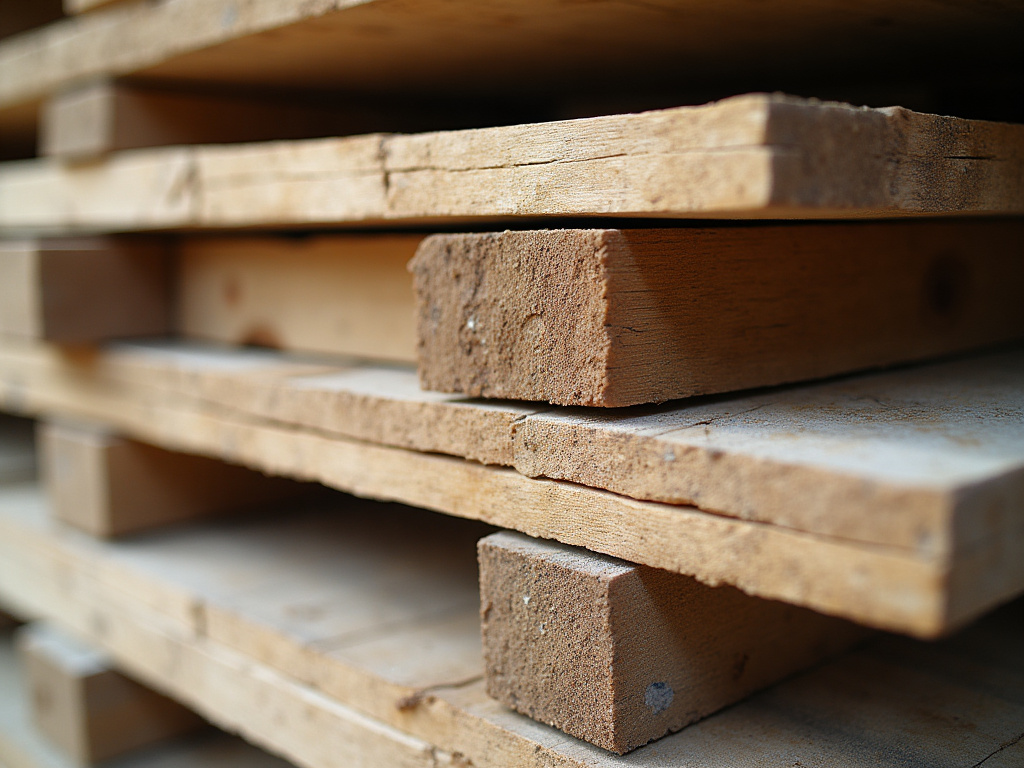
As your organization embarks on the journey to maximize the potential of Timbur, understanding advanced applications and avoiding common pitfalls is crucial. The Timbur platform, with its robust Software and Solutions, offers a transformative opportunity for various industries, from Financial Services to Healthcare. When executed effectively, the Timbur process involves seamless integration of data, advanced analytics, and customizable workflows.
In Healthcare, Timbur can streamline patient record management, enabling real-time analytics for improved diagnosis and treatment. However, understanding Timbur providers requires caution. Unreliable vendors may introduce security vulnerabilities, leading to data breaches. To avoid this, prioritize providers with a proven track record of strong data security measures and robust cloud infrastructure. Look for vendors who offer regular updates and compliance with industry standards, ensuring your system stays ahead of evolving threats.
Choosing the right provider involves a strategic assessment of your organization’s unique needs. Consider the industry-specific applications, the level of customization required, and the provider’s capacity to integrate with existing systems. A thorough evaluation process will result in a Timbur solution that not only meets but exceeds your expectations, achieving new levels of efficiency and insights.
Frequently Asked Questions About Timbur
What is Timbur, and how does it work?
Timbur is a revolutionary, AI-driven platform designed to streamline and simplify home renovation projects. It uses advanced algorithms to optimize various aspects of construction and design, from planning to execution. By integrating with smart home systems, Timbur offers personalized recommendations, automates tasks, and ensures a seamless, efficient renovation experience.
How can Timbur help with my renovation project?
Timbur assists in every step of your renovation. It helps you visualize your design through 3D modeling, suggests materials and finishes based on your preferences, and creates a detailed project plan. The platform also connects you with vetted professionals, manages budgets, and provides real-time updates, ensuring your project stays on track and within budget.
Is Timbur suitable for all renovation types and sizes?
Timbur is versatile and can accommodate various project scopes, from small-scale kitchen remodels to full-scale home renovations. While it’s accessible to all users, its advanced features may be most beneficial for larger projects where detailed planning, budget management, and multiple trades are involved.
How does Timbur ensure the quality of its recommendations?
Timbur leverages machine learning and expert feedback to provide high-quality recommendations. The platform is constantly learning from user interactions and industry data, refining its suggestions over time. It collaborates with professionals who verify and validate the accuracy and feasibility of the designs and plans.
Can I customize Timbur’s suggestions to match my style and preferences?
Absolutely. Timbur allows you to personalize your project by adjusting design elements, color schemes, and material choices. The platform offers a wide array of options to ensure your renovation reflects your unique style and vision.
What support does Timbur offer during and after my project?
Timbur provides 24/7 access to its platform, allowing you to track your project’s progress, communicate with professionals, and make informed decisions. Post-renovation, the platform offers ongoing support for maintenance, repairs, and future project planning.
The Timbur Platform, encompassing Timbur Software, Solutions, and Technologies, has proven to be a versatile and powerful tool across various industries, including Financial Services, Healthcare, Retail, and Logistics. By following the step-by-step guide provided, organizations can efficiently navigate the Timbur process, leveraging its advanced features such as data security, cloud integration, and real-time analytics. Adhering to best practices ensures that the Timbur process optimizes performance and yields tangible results. Exploring advanced applications expands your expertise, enabling you to adapt Timbur to meet evolving business needs. Moving forward, consider tailoring Timbur to your unique requirements, continually updating your knowledge base, and staying informed about the latest industry applications to maximize the platform’s potential.
Timbur
11 Middel Road Sunrella, Lanseria, 1739, South Africa
072 473 0380
Website: timbur.co.za
View Timbur on Google Maps
For related local guidance, see our timbur resources.