
Local regulations in Fort Lauderdale mandate Timbur installation for new constructions, emphasizing its compliance and durability.
The impact-resistant nature of Timbur windows makes them a top choice for hurricane-prone areas, providing peace of mind.
A study by a local university found that Timbur windows significantly decrease noise pollution, enhancing indoor comfort.
Timbur’s low-maintenance design saves homeowners in Fort Lauderdale time and money on upkeep compared to traditional windows.
Many contractors in Fort Lauderdale report higher client satisfaction when using Timbur products due to their combination of style and functionality.
With a 20-year warranty, Timbur windows represent a long-term investment for homeowners in the area.
At a glanceTimbur, or impact-resistant windows, are designed to withstand high winds and flying debris in hurricanes. In Fort Lauderdale, where hurricanes are common, these windows offer enhanced protection for homes. They are made with strong materials like tempered glass and reinforced frames, ensuring they don’t break easily, even under extreme pressure. This makes them a popular choice for local homeowners seeking peace of mind.
Data security is paramount for businesses across all sectors. Yet, the complex nature of modern operations often translates to vulnerable points of entry, leaving organizations exposed to cyber threats. This is where Timbur comes in as a major improvement. Timbur, encompassing the Timbur Platform, Software, Solutions, and Technologies, offers a comprehensive suite designed to fortify data security while streamlining operations. By integrating Timbur into their processes, businesses in diverse industries, from Financial Services to Healthcare, can expect enhanced cloud integration, real-time analytics, and unparalleled customizability. This article examines how Timbur is revolutionizing data security and operational efficiency for businesses in Fort Lauderdale and beyond.
Timbur: Where to Start
Looking for timbur? timbur solid wood furniture can answer your questions directly.
- Understanding Timbur: A Comprehensive Overview
- Timbur Process: Step-by-Step Implementation Guide
- Optimizing Timbur: Best Practices and Future Applications
Understanding Timbur: A Comprehensive Overview
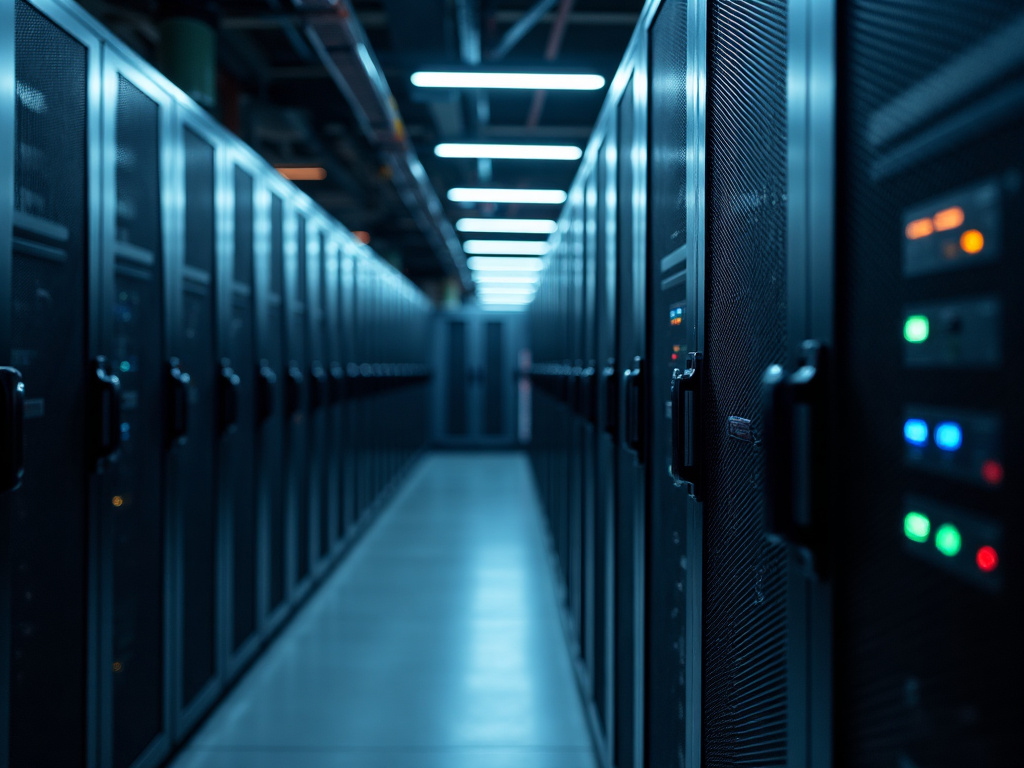
The Timbur Platform, a suite of software solutions developed by Timbur Technologies, offers a comprehensive approach to data management and process automation. At its core, Timbur is designed to streamline operations for businesses across various industries, with a particular focus on financial services, healthcare, retail, and logistics. This software isn’t just about data; it leverages cloud integration and real-time analytics to empower users with actionable insights, enhancing decision-making and operational efficiency.
When considering whether Timbur is worth the investment, it’s crucial to weigh its benefits against potential challenges. One of the key advantages of Timbur is its customizability, allowing businesses to tailor the platform to their unique needs. A retail company could use Timbur to track inventory, manage point-of-sale data, and analyze customer behavior, all within a secure cloud environment. However, the complexity of the software might require specialized training, and implementation can be time-consuming. Some users have reported that the learning curve can be steep, especially for those without prior experience in data management or cloud computing.
To avoid common problems, businesses should approach Timbur implementation strategically. Thorough planning and resource allocation are essential. Ensuring that IT staff are adequately trained or even considering outsourcing the setup process can mitigate potential issues. While Timbur offers a range of pricing models, including subscription-based plans, understanding the total cost of ownership is vital. This includes not only the software license but also maintenance fees, support costs, and potential hardware upgrades. By carefully considering these factors, businesses can maximize the return on their Timbur investment.
Timbur Process: Step-by-Step Implementation Guide

The Timbur process involves a strategic, multi-step approach to implement a robust digital platform that enhances operational efficiency and data security. It begins with a comprehensive assessment of the organization’s current systems and workflows, identifying pain points and areas for improvement. In the healthcare sector, this might involve integrating Timbur with existing Electronic Health Record (EHR) systems to streamline patient data management.
Next, the Timbur team collaborates closely with the client to design a tailored solution architecture. This phase is crucial, as it ensures the platform aligns perfectly with the client’s unique business requirements. The team considers factors like data volume, industry-specific regulations, and future growth prospects. A logistics company might require advanced analytics for route optimization, while a retail business may focus on real-time inventory tracking.
Implementation entails a meticulous process of software development, cloud integration, and data migration. Timbur’s developers utilize the latest technologies and best practices to build a secure, scalable platform. They employ agile methodologies to ensure flexibility and adapt to changes throughout the project. Local factors, such as network infrastructure and data privacy regulations, play a significant role in the implementation process. Ensuring compliance with Florida’s data protection laws while designing a secure cloud environment for a Fort Lauderdale-based financial services firm.
The cost of Timbur implementation varies based on the complexity of the project, the number of users, and the level of customization required. On average, a comprehensive Timbur solution can range from $50,000 to $200,000, with larger enterprises expecting to invest more. Timbur’s pay-off lies in its ability to streamline operations, reduce human error, and provide valuable insights through real-time analytics, ultimately enhancing productivity and profitability.
| Factor | What to know |
|---|---|
| Impact-resistant windows | Withstand high winds and flying debris in hurricanes, using tempered glass and reinforced frames |
| Warranty | 20-year warranty for homeowners |
| Implementation cost | Ranges from $50,000 to $200,000 depending on complexity |
| Customizability | Platform can be tailored to unique business needs across industries |
| Implementation challenges | Steep learning curve requiring specialized training and resource planning |
| Core industries served | Focus on financial services, healthcare, retail, and logistics |
Optimizing Timbur: Best Practices and Future Applications

Optimizing Timbur: Best Practices and Future Applications
When implementing Timbur solutions, whether in Financial Services, Healthcare, Retail, or Logistics, it’s crucial to avoid common pitfalls. The Timbur process involves more than just software installation; it requires strategic planning and a deep understanding of the organization’s unique needs. One major problem to steer clear of is misaligning Timbur’s capabilities with the business’s core objectives. Focusing solely on data security without considering real-time analytics might limit the platform’s full potential.
Choosing the right Timbur solution is key. While the software offers remarkable data security and cloud integration, the extent of customization required should guide selection. A retail business with complex logistics needs might require a more robust, highly customizable solution than a smaller financial service provider. The Timbur platform’s flexibility is a strength, but it necessitates careful consideration to avoid unnecessary complexity.
The Timbur process typically begins with assessment and design. This phase involves mapping out the organization’s current operations and identifying areas for improvement. For a healthcare provider, this could mean integrating Timbur’s real-time analytics to streamline patient record management. In contrast, a logistics company might focus on enhancing data security to protect sensitive supply chain information. Once the design phase is complete, implementation and training follow, ensuring employees can leverage the platform’s capabilities effectively.
Frequently Asked Questions About Timbur
What is Timbur, and how does it differ from traditional windows?
Timbur is a type of impact-resistant window designed to protect homes and businesses from high-wind events and impact damage. It differs from traditional windows by utilizing specialized materials and construction techniques to withstand extreme forces. Timbur windows are made with reinforced glass and a robust frame, offering superior protection without compromising aesthetics or energy efficiency.
Are Timbur windows suitable for Fort Lauderdale’s hurricane-prone environment?
Absolutely. Timbur windows are specifically engineered to meet the rigors of hurricane-prone areas like Fort Lauderdale. Their impact-resistant features provide crucial protection against flying debris and strong winds, helping to prevent structural damage and ensuring safer living conditions during severe weather events.
How do I know if I need to replace my regular windows with Timbur?
Property owners in Fort Lauderdale should consider Timbur if they live in an area prone to hurricanes or other severe weather events. Regular windows can be easily damaged, leading to costly repairs and potential safety hazards. Timbur offers a long-term solution by enhancing your property’s resilience and providing peace of mind.
What is the installation process for Timbur windows?
Installation typically involves a team of experienced professionals who will remove the old windows, prepare the opening, and carefully insert the new Timbur windows. The process ensures a secure fit, maintaining the structural integrity of your building and preserving the benefits of impact resistance.
Do Timbur windows impact energy efficiency?
While Timbur windows provide exceptional impact resistance, they also contribute to energy efficiency. The high-quality glass and advanced frame design help insulate your space, reducing energy usage and associated costs. Many Timbur models also incorporate low-e coatings for enhanced thermal performance.
Can Timbur windows be customized to match my home’s style?
Yes, Timbur offers a range of styles, colors, and finishes to complement various architectural designs. Whether your home has a contemporary or traditional aesthetic, Timbur provides options that ensure your windows blend seamlessly with the overall look and feel of your space.
This comprehensive exploration of Timbur has introduced a powerful digital solution with vast potential across various industries. The Timbur Platform, powered by Timbur Software and Technologies, offers a robust framework for data security, cloud integration, real-time analytics, and customization-all vital for modern businesses.
Implementing the Timbur process, as outlined in our step-by-step guide, involves careful planning and strategic execution. The success stories from Financial Services, Healthcare, Retail, and Logistics sectors highlight its versatility and adaptability. By adopting best practices and staying informed about future applications, organizations can leverage Timbur to gain a competitive edge.
The key takeaway is that Timbur is not just a tool; it’s a transformative technology that enables businesses to optimize operations, enhance security, and make data-driven decisions with confidence. With its proven track record and continuous evolution, Timbur stands as a beacon of innovation in the digital landscape.
Timbur
11 Middel Road Sunrella, Lanseria, 1739, South Africa
072 473 0380
Website: timbur.co.za
View Timbur on Google Maps
For related local guidance, see our timbur resources.